
Curiosity and a sense of purpose come together in Essi Pöyry’s work. As a researcher at the University of Helsinki, Pöyry explores phenomena with broad societal significance. Her academic career has also been supported by research grants, which have given her the confidence to continue pursuing a career in academia.
Inspired by the research process
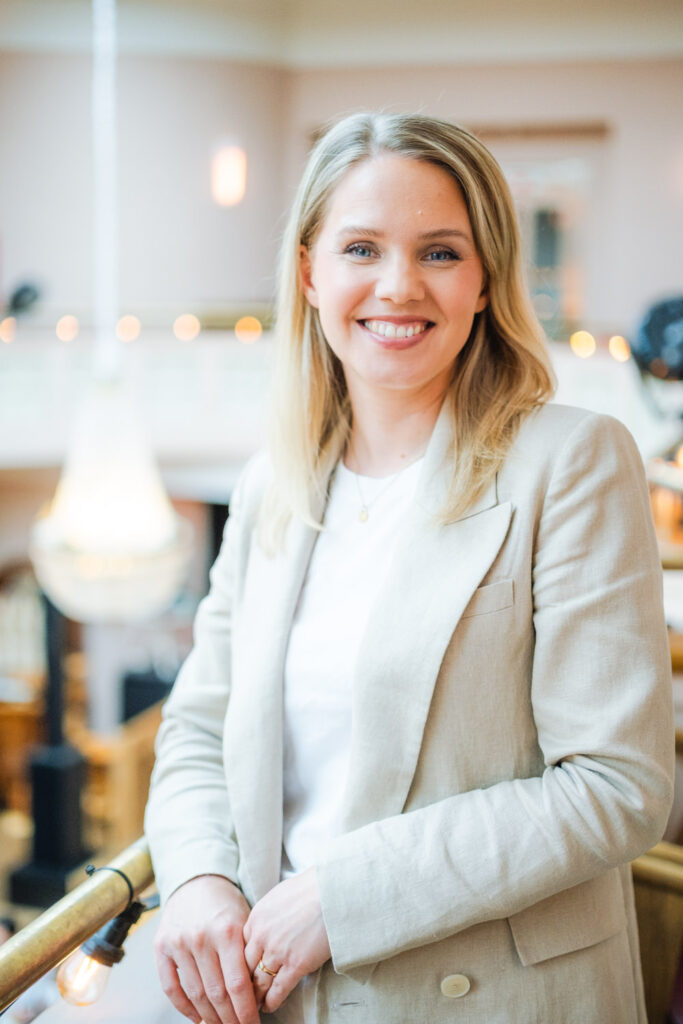
“All my research projects are, in a way, like starting a new master’s thesis. First, you formulate a research question, then collect and analyse the data, and finally report the findings.” This is how Essi Pöyry, Doctor of Science (Economics and Business Administration) and researcher at the University of Helsinki, describes her work.
Pöyry’s journey into academic research began while she was working on her master’s thesis, when she had the opportunity to join a research project. “It was a fantastic way to write my thesis! That was also when I realised how much I enjoyed research.”
There are many aspects of research that she finds rewarding. “I enjoy exploring new things and writing. This work allows me to make use of my curiosity and do a kind of detective work.”
What Pöyry values most is the sense of purpose her work provides. She never has to question whether what she does conflicts with her personal values.

From advertising to consumer behaviour research
Although finding her way into a research project – and eventually becoming a researcher – was the result of a series of fortunate coincidences, her path to business school was more straightforward.
“As a child, I was really interested in advertisements and even dreamed of becoming an advertising designer. When I entered business school, I hadn’t yet chosen my major, but what fascinated me about marketing was understanding how people behave as consumers.”
Advertising still interests Essi Pöyry, but her research now focuses on the intersection of marketing and consumer research.
“The societal perspective is important to me. My attention has shifted from individual advertisements to broader, growing trends such as influencer marketing and social media platforms.”
Researchers in the media
Pöyry enjoys commenting on topics related to her research and has become a sought-after expert. Media interviews, panel discussions and speaking engagements also provide valuable feedback on her work.
“Especially in business research, it’s important to recognise how your research can benefit others,” Pöyry says.
She also encourages other experts to answer the phone when journalists call.
“As researchers, we tend to underestimate our expertise unnecessarily. The general public isn’t looking for individual research findings, but rather a clear understanding of the bigger picture.”
But where should one begin? It all starts with an interesting research topic.
“Once journalists have successfully contacted an expert, they’re usually happy to reach out again.”
A balanced life and a sustainable working routine
However, a researcher’s daily life isn’t all newspaper interviews and flashing cameras. Pöyry has considerable freedom to organise her working days, although family life sets certain boundaries.
Supervision and planning meetings, presentations and panel discussions provide structure around the thinking and writing that form the core of her work. Her enthusiasm for research shines through in everything she says.
“I get incredibly excited about my research topics! I have a good balance in my life, and I don’t feel pressure about things like publishing. I can become completely absorbed in writing, but I also enjoy collecting and analysing data.”
One thing, however, is clear: working sustainably is essential.
“While writing my doctoral dissertation, I realised that, hang on, this is actually my job now. There’s no point in working late into the night. Besides, I enjoy going to the university and seeing my colleagues.”
Research grants make academic careers possible
Pöyry has built her broad expertise and academic experience through years of dedicated work. Research grants have played a significant role in this journey.
Essi Pöyry received a grant from the KAUTE Foundation for her postdoctoral research in 2017. The funding came at a crucial turning point in her career.
“It was a fantastic opportunity. It gave me the confidence to continue in a field where employment is uncertain and often based on short-term contracts.”
According to Pöyry, receiving a positive grant decision is also a sign that someone believes in your research idea.
“The KAUTE grant allowed me to lead my first major research project based on an idea of my own. That was important.”
The research project funded by KAUTE was called Selling Data. Pöyry had previously studied sales, particularly how people are influenced and approached.
“Sales are often considered from the perspective of products and services. But I became interested in an intangible currency: data. It’s valuable, but also a rather abstract concept,” Pöyry explains.
In her later research, she has made use of the very same kinds of data that companies collect.
“Data is a surprisingly societal topic.”
Eventually, Pöyry moved beyond short-term contracts and secured a research position at the University of Helsinki.
“Of course, grants are still part of my work. For example, I help doctoral researchers identify potential funding sources for their research ideas.”

Ideas are a researcher’s currency
Essi Pöyry, what advice would you give to those dreaming of an academic career?
“In research, ideas are currency. The ideas that succeed are the ones you’re genuinely passionate about and want to share with everyone. Research grants can also serve as a starting point for larger research projects. One exciting research idea can grow into something much bigger.”
According to Pöyry, researchers need to reinvent themselves time and again, and they should be willing to experiment with new approaches without prejudice.
“Getting stuck in the same routine is dangerous. For example, you shouldn’t be afraid of a particular research method. Instead, think of methods as tools that help you move forward. They’re simply things you can learn.”
Pöyry is currently involved in a research project examining celebrities as owners of growth companies. Funded by the Foundation for Economic Education (Liikesivistysrahasto), the project began when Pöyry, who had been developing the idea for some time, realised that it wasn’t actually all that wacky.
“Being driven by the subject matter is incredibly important in research. It’s easy to focus on accumulating merits and securing funding, but what really matters is recognising how your idea benefits others and what kind of societal significance it has.”
Who or what has broadened your horizons?
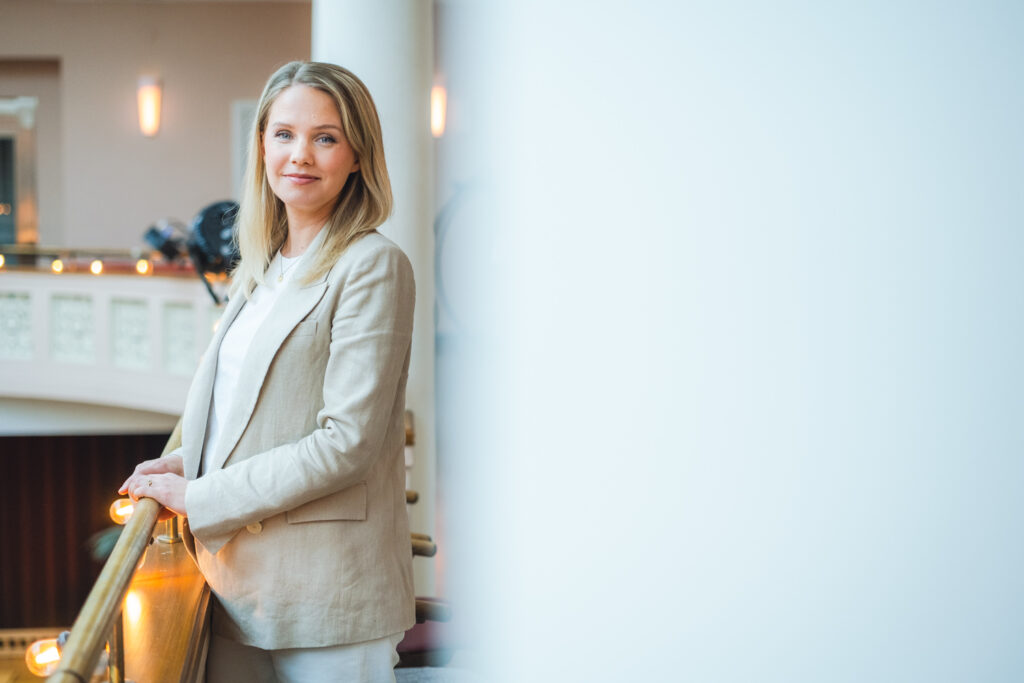
“I’d like to highlight two people from my career: Hanna Reinikainen and Mika Pantzar.
Hanna is a close colleague with whom I’ve developed a great working partnership. She understands what I mean from just half a sentence. Although much of the research is done independently, it’s wonderful to have a good colleague to bounce ideas off and discuss how best to express things. And when you’ve achieved something together, the next project can be even better.
Mika, on the other hand, has been my mentor and has supported me a great deal. He has done extensive work to contribute to societal discussions and influence, which I greatly admire.”
What wild dream would you pursue in your work if money were no object?
“I would focus on making my research topics more accessible to the general public. Perhaps I’d write a book about moderate consumption.
People often find it difficult to understand why others consume differently from themselves. There’s an enormous range of consumption habits and attitudes, and I think it’s important to find ways to describe and explain those differences.”
How can readers learn more about your research topics?
“I recommend Laura Friman’s book Viiden vaatteen vuosi (A Year of Five Garments, available only in Finnish). It was really interesting and very well written.
The documentary series Welcome to Wrexham inspired the idea for my research project funded by the Foundation for Economic Education. While watching it, I found myself thinking about what a fascinating research topic it would make.
I also have Vesa Puttonen’s Miten miljoona hankitaan ja kulutetaan (How to Earn and Spend a Million, available only in Finnish) on my reading list. I’m sure it’s well worth picking up.”
Check out Essi Pöyry on LinkedIn.